As conversations around music rights grow louder, more fans are asking a critical question: when a hit song takes off, who actually owns it?
The recent legal standoff between 960 Music Group and Burna Boy’s Spaceship Music has once again brought master ownership into focus. It’s a term that gets mentioned often, but not always fully understood.
Owning your masters means owning the original recordings of your songs. It gives an artist the authority to license, sell, distribute, or monetise that music without needing permission from a record label.
In Nigeria, where traditional label contracts historically favoured companies over creatives, very few artists have managed to keep or regain that level of control. Here are six who have — and how they structured their careers to make it happen.
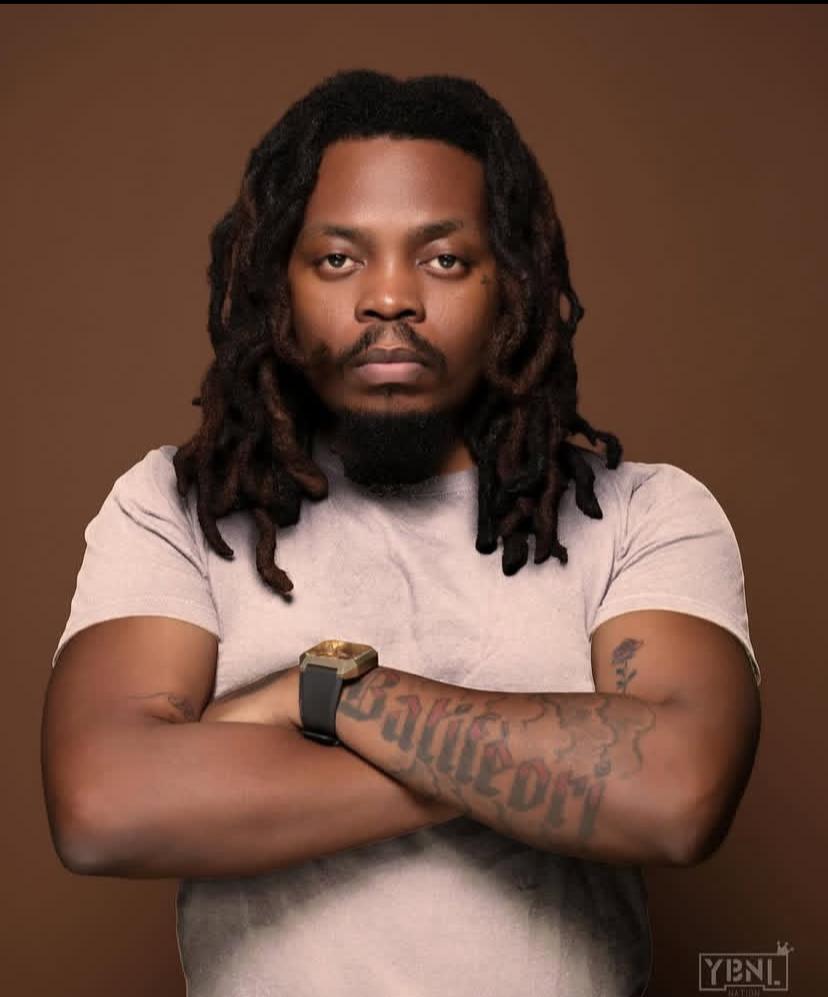
Olamide’s approach to ownership was intentional from early on. After releasing his debut album Rapsodi under ID Cabasa’s Coded Tunes in 2011, he quickly moved toward independence by launching his own imprint, Yahoo Boy No Laptop (YBNL).
Instead of depending heavily on label advances, Olamide leaned into ringback tones and mobile value-added services — revenue streams that generated direct income and reduced his need for outside financing. This financial flexibility allowed him to consistently release projects under his own terms throughout the 2010s.
In 2020, he entered a joint venture with EMPIRE. Importantly, the deal was structured around distribution and marketing support rather than ownership transfer. Olamide maintained control of his catalogue while gaining access to EMPIRE’s global reach.
That same philosophy shaped YBNL’s identity. Artists like Lil Kesh, Adekunle Gold, and Asake were reportedly able to leave the label with ownership of their masters, reinforcing Olamide’s reputation as an executive who prioritises long-term independence.
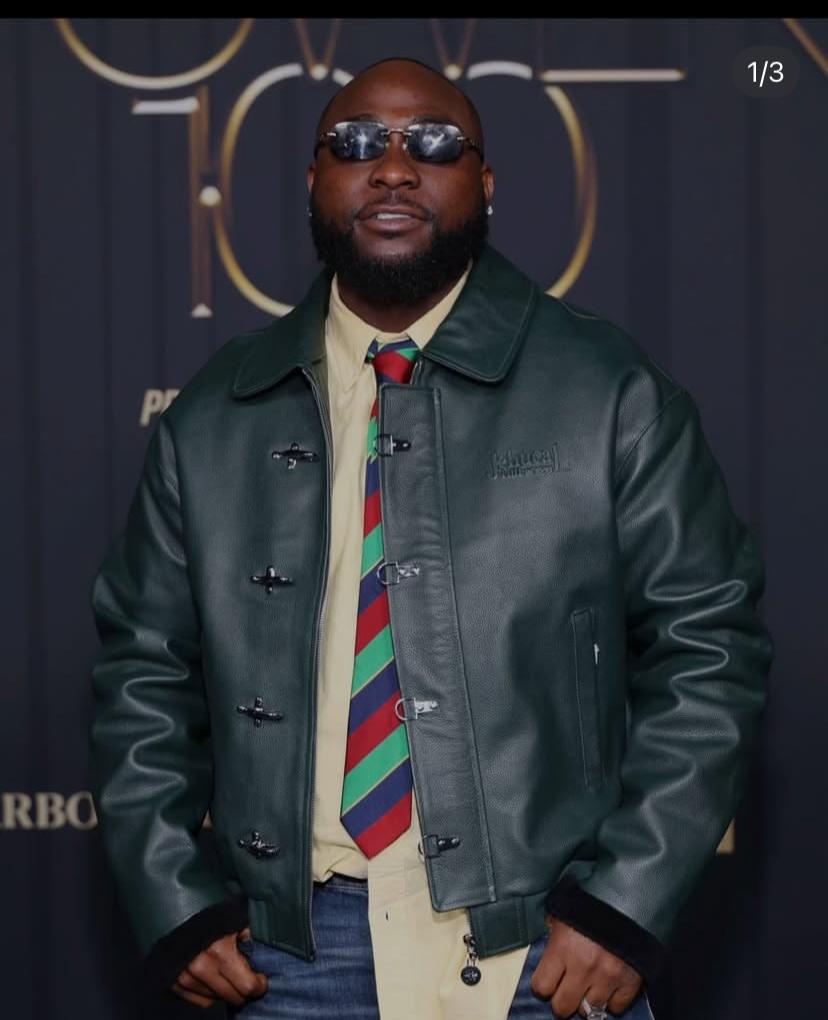
Davido’s path to ownership was built on leverage. With personal financial backing early in his career, he wasn’t pressured into restrictive recording contracts. Breakout songs like “Dami Duro” were released independently under HKN Music, the company he co-founded with his brother.
When he later signed deals with Sony Music in 2016 and RCA for international distribution, the agreements reportedly deviated from traditional label structures. Instead of surrendering his masters, Davido retained ownership while granting distribution and promotional rights.
He later formalised this independence under Davido Music Worldwide (DMW), giving him authority over both his catalogue and the releases of his signees. Davido has openly described master ownership as a long-term asset — something he intends to pass down to his family.
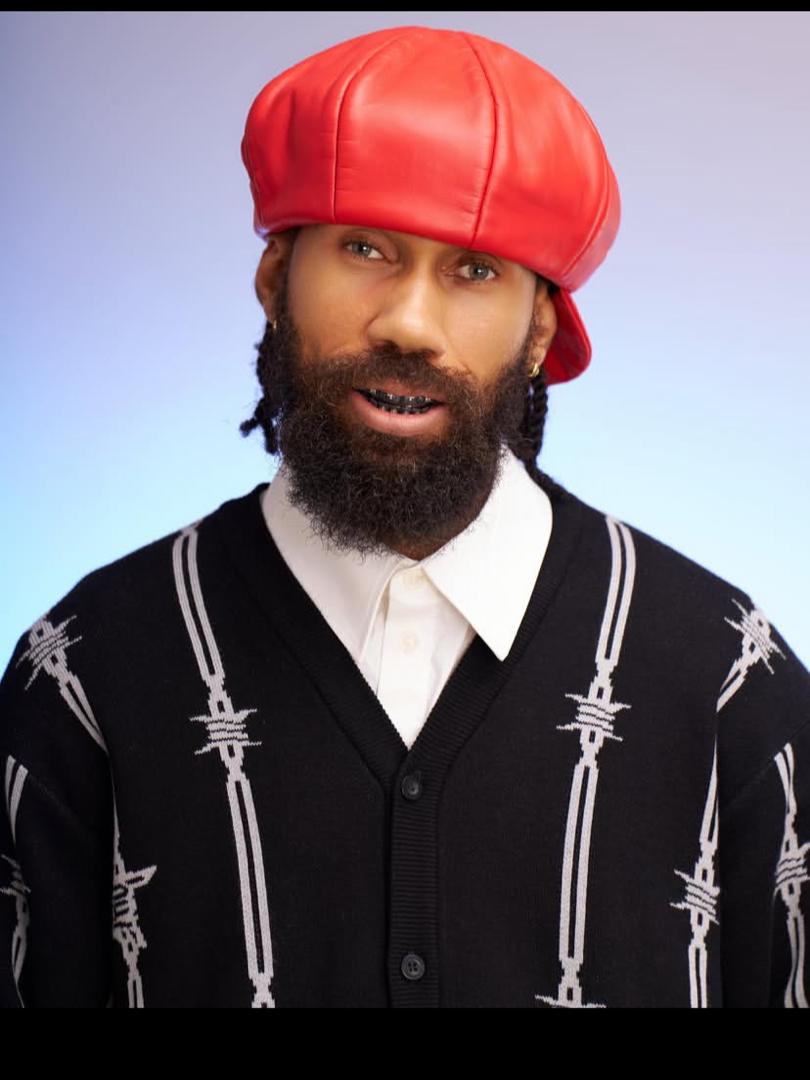
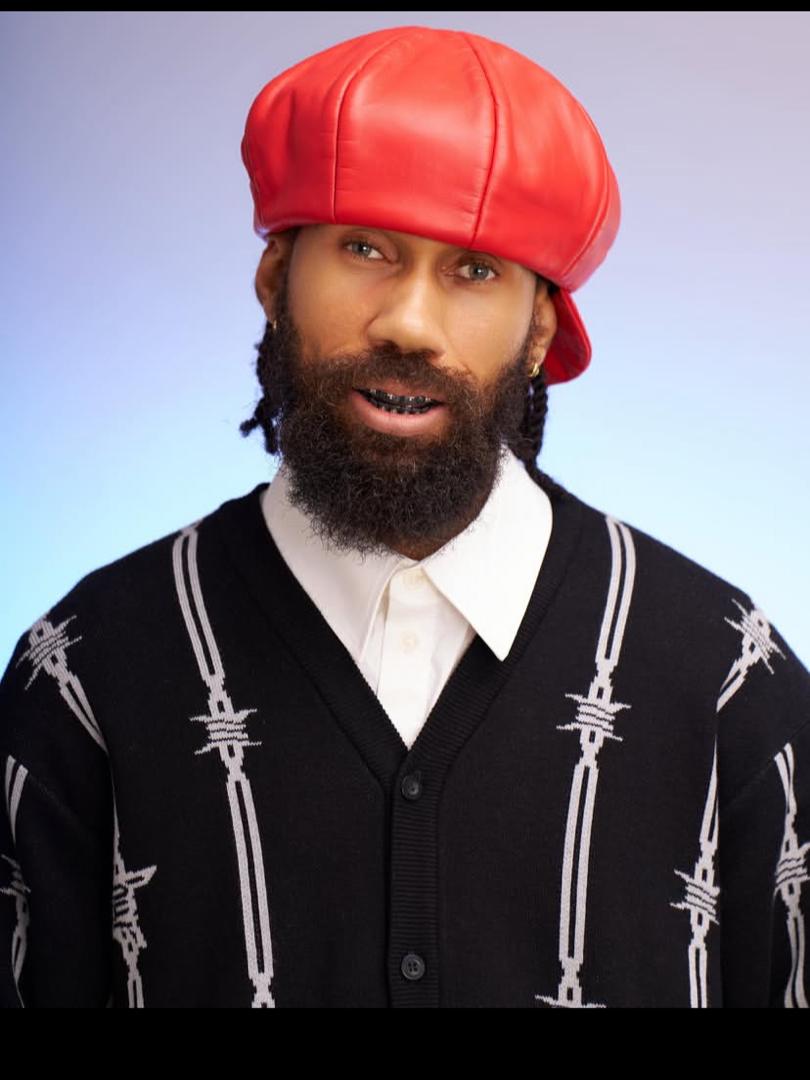
Phyno’s journey to ownership began before his fame as a rapper. Years spent producing and engineering music gave him hands-on control over recording processes and production costs.
By launching Penthauze Music early in his career, Phyno established himself as both artist and executive. Projects like No Guts No Glory were released through his own label structure, allowing him to maintain licensing and ownership rights without dependence on a major label.
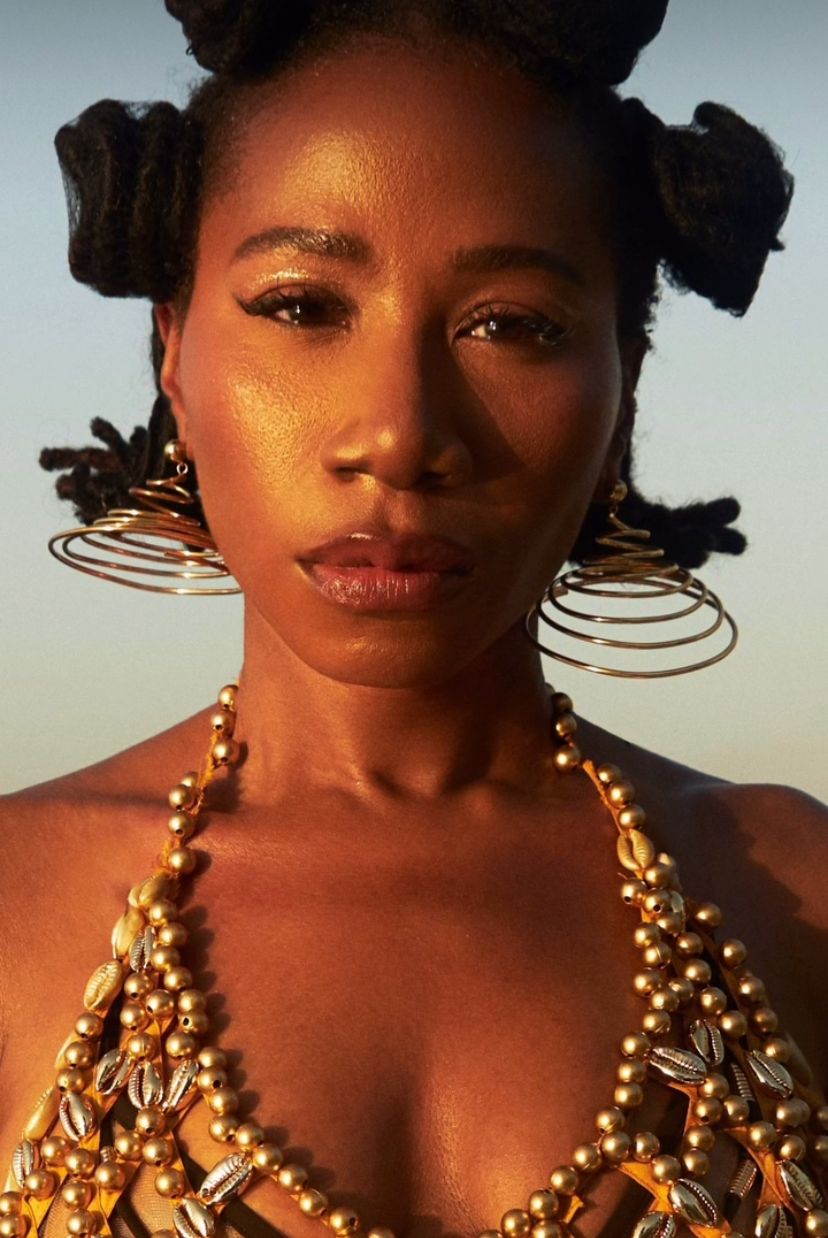
Asa has largely operated outside Nigeria’s conventional major-label system. Early collaborations with French independent label Naïve Records reportedly offered her more flexibility than standard global contracts.
After parting ways with Questionmark Records in the mid-2000s over contractual disagreements, she adopted a more cautious and controlled career strategy. Working closely with trusted collaborators such as Cobhams Asuquo, Asa has maintained a high level of artistic and catalogue independence.
While the precise details of her agreements remain private, her career trajectory suggests retained or shared master ownership rather than complete label control.
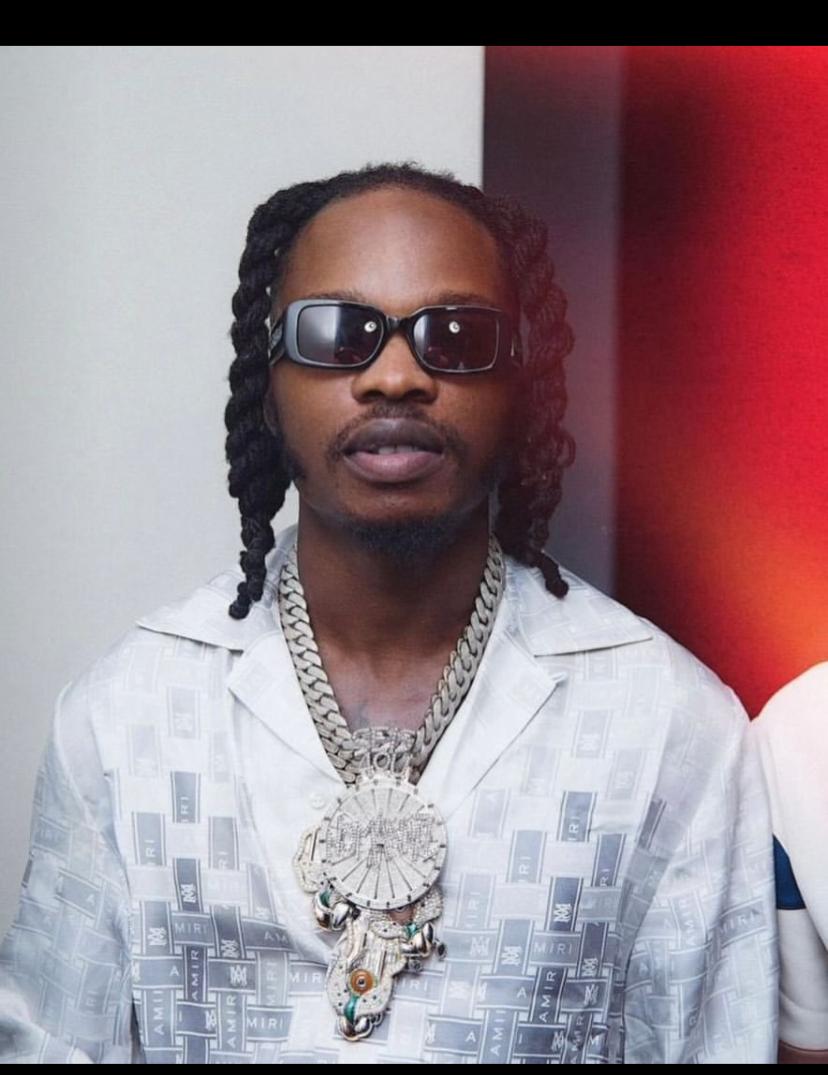
Naira Marley built his initial buzz independently and through smaller UK-based partnerships rather than signing to a major label.
In 2019, he formalised his operations by launching Marlian Music, releasing subsequent projects under his own imprint. As label head, he retained ownership of his masters while implementing a revenue-sharing model with artists under the label.
Though the structure has drawn criticism at times, it ensured that core intellectual property remained within the company.
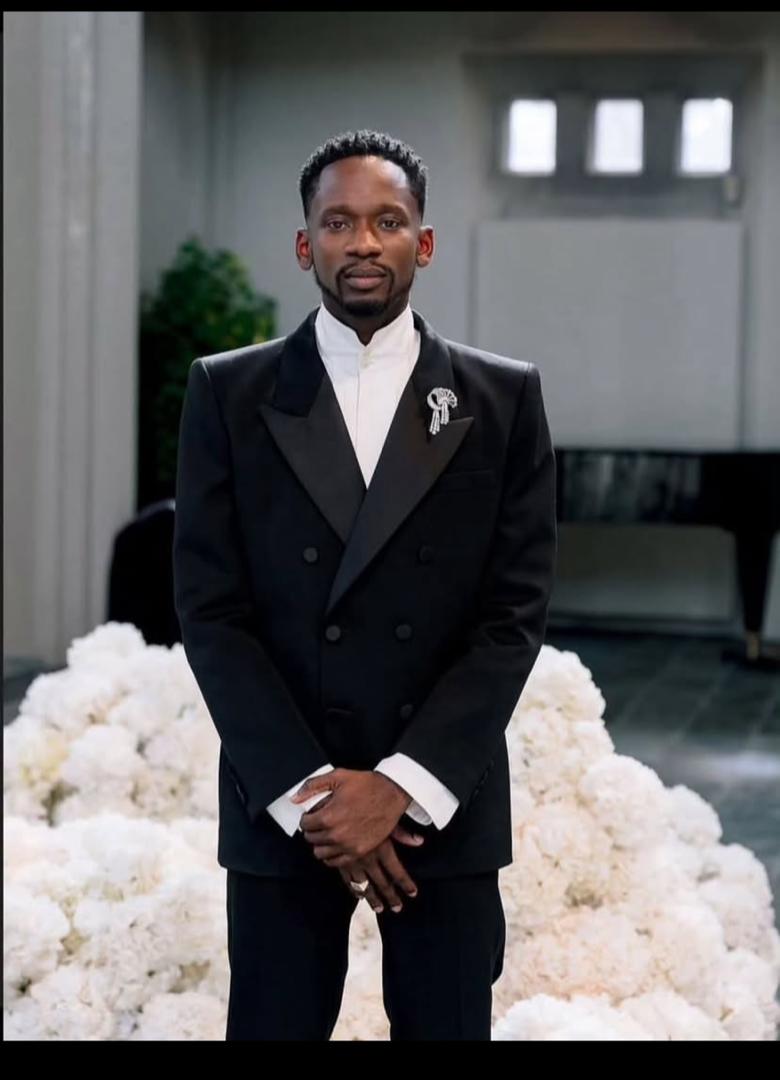
Mr Eazi has consistently stated that he turned down major label offers early in his career to avoid giving up ownership of his recordings. Instead, he self-financed his releases and later launched emPawa Africa in 2019.
Designed as both a talent incubator and distribution platform, emPawa reflects a broader industry shift toward partnership-based deals that prioritise artist ownership rather than rights acquisition.
His strategy mirrors global changes in the music business, where distribution-focused agreements are increasingly replacing traditional record contracts.

Comments
Axel Bouaziz 5 Aug 2018
Sed ut perspiciatis unde omnis iste natus error sit voluptatem accusantium doloremque laudantium, totam rem aperiam, eaque ipsa quae ab illo inventore veritatis et quasi architecto beatae vitae dicta sunt explicabo.
ReplyMegan Fox 28 July 2018
Sed ut perspiciatis unde omnis iste natus error sit voluptatem accusantium doloremque laudantium, totam rem aperiam, eaque ipsa quae ab illo inventore veritatis et quasi architecto beatae vitae dicta sunt explicabo.
ReplyMostafa Wahba 10 July 2018
Sed ut perspiciatis unde omnis iste natus error sit voluptatem accusantium doloremque laudantium, totam rem aperiam, eaque ipsa quae ab illo inventore veritatis et quasi architecto beatae vitae dicta sunt explicabo.
ReplyZach Roszczewski 15 Jun 2018
Doloremque laudantium, totam rem aperiam, eaque ipsa quae ab illo inventore veritatis et quasi architecto beatae vitae dicta sunt explicabo.
Reply