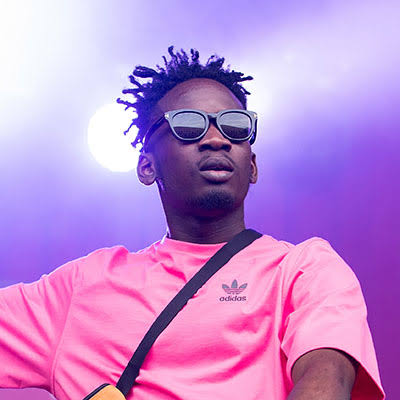
A resurfaced interview clip of Mr Eazi has sparked fresh conversations online about how African musicians negotiate their worth within the festival industry.
In the clip, taken from an episode of the 90s Baby Special podcast recorded around two years ago, Mr Eazi explained that he chose not to perform at Afro Nation in 2019 because he wanted more than a standard appearance fee. Instead, he requested equity in the festival brand as well as access to audience analytics data.
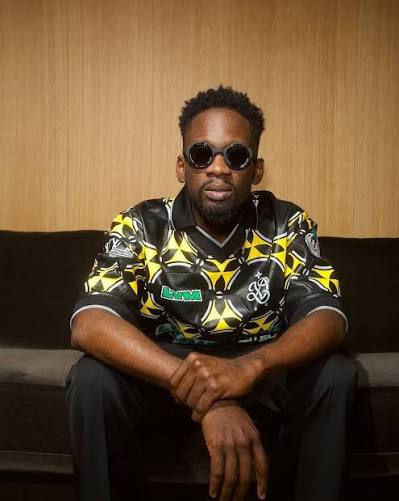
According to him, African artists were contributing heavily to the festival’s popularity yet were not fully benefiting from its long-term growth. He pointed out that Afro Nation’s lineup was largely driven by African acts and believed performers of his level should have ownership stakes rather than simply being paid once.
Mr Eazi said he was prepared to perform if the organisers agreed to give him equity in the business. He also requested audience data and performance analytics, explaining that such information would help him promote and organise his own concerts independently in the future.
When the organisers declined both requests, he decided to walk away from the event. He recalled being told that no other artist was asking for those terms, but maintained that his popularity at the time justified the demand. He referenced his momentum in 2019, which included appearances at Coachella and performances alongside Wizkid at London’s O2 Arena.
The resurfaced comments have divided opinion online. Some people argue that his demands were too ambitious and that he lacked the leverage to negotiate equity at the time. Others believe he was ahead of the curve in advocating for ownership and long-term value for African artists in the global Afrobeats scene.
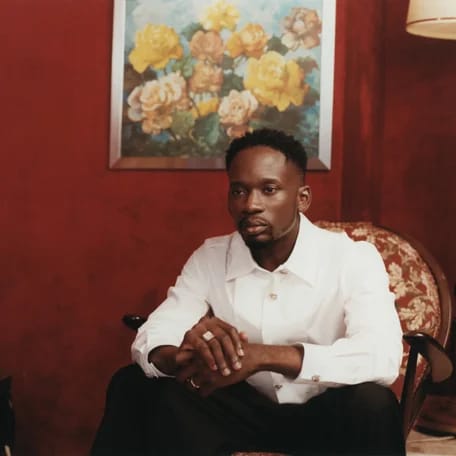
The discussion has also revived broader conversations about artists taking equity in businesses or events instead of accepting only performance fees. While uncommon, similar arrangements have happened before. In 2015, Beyoncé reportedly accepted equity from Uber in exchange for performing at a private company event, and the stake later increased significantly in value.
Supporters of equity-based deals argue that they allow artists to share in the long-term success of events they help popularise, though such arrangements also come with financial risks if the business underperforms. The debate now centres on whether Mr Eazi accurately assessed his influence and bargaining power in 2019.

Comments
Axel Bouaziz 5 Aug 2018
Sed ut perspiciatis unde omnis iste natus error sit voluptatem accusantium doloremque laudantium, totam rem aperiam, eaque ipsa quae ab illo inventore veritatis et quasi architecto beatae vitae dicta sunt explicabo.
ReplyMegan Fox 28 July 2018
Sed ut perspiciatis unde omnis iste natus error sit voluptatem accusantium doloremque laudantium, totam rem aperiam, eaque ipsa quae ab illo inventore veritatis et quasi architecto beatae vitae dicta sunt explicabo.
ReplyMostafa Wahba 10 July 2018
Sed ut perspiciatis unde omnis iste natus error sit voluptatem accusantium doloremque laudantium, totam rem aperiam, eaque ipsa quae ab illo inventore veritatis et quasi architecto beatae vitae dicta sunt explicabo.
ReplyZach Roszczewski 15 Jun 2018
Doloremque laudantium, totam rem aperiam, eaque ipsa quae ab illo inventore veritatis et quasi architecto beatae vitae dicta sunt explicabo.
Reply