
In today’s music industry, owning your “masters” has become one of the biggest power moves an artist can make. From global superstar Taylor Swift to Nigerian Grammy winner Burna Boy, major artists are spending millions of dollars to buy back the rights to their original recordings. But why is this so important?
A master recording is the original, final version of a song — the exact version that gets streamed, played on the radio, licensed for films, or sold worldwide. Whoever owns the master controls how the song is used and earns money from it.
Traditionally, record labels own the masters. This is because labels invest money in recording, marketing, and promoting artists. In return, they keep ownership of the music.
The main reason artists fight to own their masters comes down to money and control.
When a label owns the masters, it collects revenue from streaming and sales first. The label deducts expenses — such as marketing costs and advances paid to the artist — before paying the artist royalties. This means an artist can have a global hit and still not see significant earnings right away.
Owning masters changes that. It allows artists to:
Control how their music is used
Earn directly from streaming and licensing
Decide whether to sell or keep their catalogue
Protect their work from being sold without their permission
Taylor Swift’s situation brought global attention to the issue of master ownership. In 2019, her former label sold the masters of her first six albums without her consent. Swift publicly expressed frustration and described the sale as a worst-case scenario.
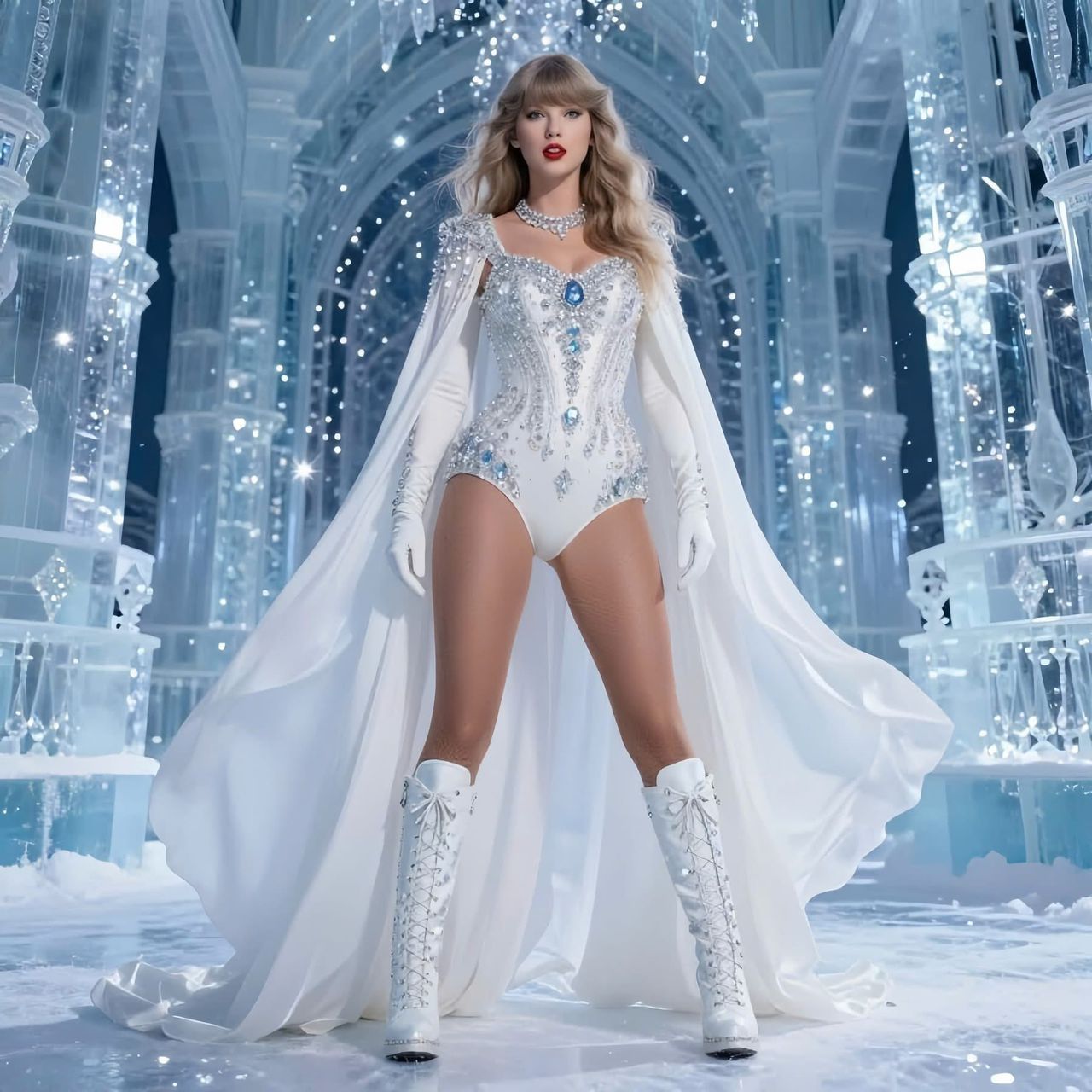
After being unable to buy them back initially, she began re-recording her albums and releasing them as “Taylor’s Version” to regain control of her music. In 2025, she reportedly repurchased her catalogue in a deal worth hundreds of millions of dollars.
Her case highlighted how much power lies in owning master recordings.
Similarly, Burna Boy reportedly spent millions to buy back the masters of the music he released under Aristokrat Records between 2010 and 2014. The deal gave him control over the early songs that helped launch his career.
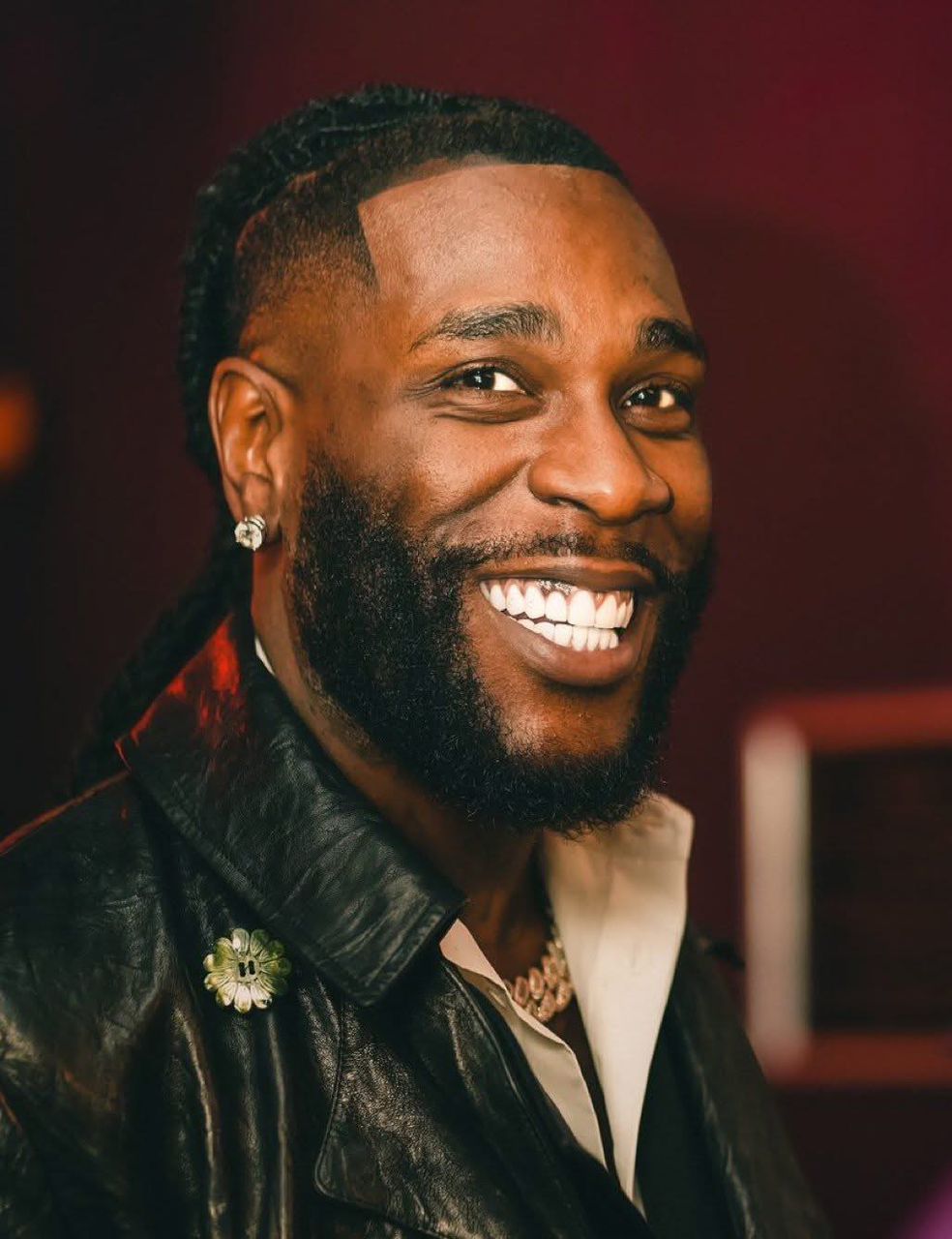
However, the transaction has since been challenged in court by 960 Music Group, which claims it owns 40% of Aristokrat Records and was not informed about the sale. The legal battle will determine whether the purchase was properly executed.
Despite the dispute, the intention behind the move is clear: ownership means control.
Beyond control, there is also a strong financial reason for buying back masters. Music catalogues have become extremely valuable assets. Investors and companies are paying hundreds of millions of dollars for the rights to popular songs.
Artists like Bruce Springsteen, Justin Bieber, and Britney Spears have sold their catalogues for massive sums. Owning masters allows artists to either keep earning from their music long term or sell it for a significant payout.
In addition to money, owning masters has become a status symbol in the music world. It represents independence, business intelligence, and full control over one’s career. Many artists proudly speak about owning their masters as a sign of success.
For artists like Burna Boy and Taylor Swift, buying back their masters is about more than pride. It is about securing their financial future, maintaining creative control, and protecting the value of their work.
In an industry where ownership determines power, masters are not just recordings — they are assets, leverage, and long-term investments.

Comments
Axel Bouaziz 5 Aug 2018
Sed ut perspiciatis unde omnis iste natus error sit voluptatem accusantium doloremque laudantium, totam rem aperiam, eaque ipsa quae ab illo inventore veritatis et quasi architecto beatae vitae dicta sunt explicabo.
ReplyMegan Fox 28 July 2018
Sed ut perspiciatis unde omnis iste natus error sit voluptatem accusantium doloremque laudantium, totam rem aperiam, eaque ipsa quae ab illo inventore veritatis et quasi architecto beatae vitae dicta sunt explicabo.
ReplyMostafa Wahba 10 July 2018
Sed ut perspiciatis unde omnis iste natus error sit voluptatem accusantium doloremque laudantium, totam rem aperiam, eaque ipsa quae ab illo inventore veritatis et quasi architecto beatae vitae dicta sunt explicabo.
ReplyZach Roszczewski 15 Jun 2018
Doloremque laudantium, totam rem aperiam, eaque ipsa quae ab illo inventore veritatis et quasi architecto beatae vitae dicta sunt explicabo.
Reply